Sunday, 28 July 2013

What I Wish I'd Known When I Learned to Crochet

(This post was on my friend Lindsay's blog, Southern Lovely, a few weeks ago. In case you missed it there, here you go!)

 It seems that every time I post about crochet--whether it's a project I've recently finished or news about my etsy shop--I inevitably get a few comments that say, "I wish I could crochet, " or "I could never make that."

Well, I have some news for you, people . . . you can. What's stopping you? Almost 200 people wielded their crochet hooks during our crochet along earlier this fall, many of whom had never crocheted before. But they learned and now they love it!

You can learn to crochet and I'd love to share some advice for the newbie crocheter . . . what I wish I'd known when I was learning to crochet.

Make a friend
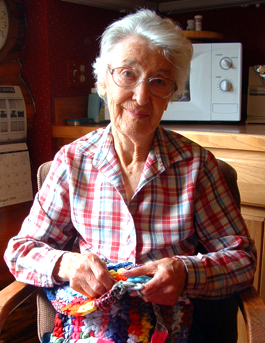
 Chances are, whether you know it yet or not, you probably already know a crocheter! Maybe a neighbor or a coworker or the sweet old lady down the street . . . whoever it is, this is the time to cozy up and make a new friend, because you'll definitely benefit from having a crochet buddy to sit down next to you and show you some stitches, point out any mistakes, and approach with questions about patterns. It can be easier (and more fun!) to learn when you have a friend there to help you!

Get online
If you can't find someone to show you the ropes, the internet is your new best friend (if it wasn't already)! There are a bazillion crochet tutorials and videos online that will guide you through every step of the way. Anytime you hit a road block, just hop on youtube or google and you'll be amazed at all the resources you'll find to help you out! I wrote quite a few basic crochet tutorials as part of my crochet alon. And I recently found an awesome crocheter who is hosting a wonderful, really in-depth crochet school on her blog, Craftyminx. Don't think that you can't learn if you don't have a friend there to help! There is so much great information online, and with the exception of one lesson with a friend, this is how I learned to crochet!

Get on Ravelry

If you are at all interested in crochet or knitting, you've got to join Ravelry. It's completely free to join and is an incredible resource with thousands and thousands of patterns (many for free, and some for purchase), forums where you can meet crochet buddies and ask questions if you need help, and a profile where you can show off your finished projects. My favorite part of Ravelry is the opportunity to look at people's finished versions of a pattern . . . I often find patterns that I think I might be interested in making, but I'm not sure if it will really turn out like the picture. Problem solved--on Ravelry, you can view people's finished projects right on the pattern page, so you'll know the difficulty level of the pattern, other crocheters' comments and thoughts on it, and get ideas of adaptations you can make to suit it to your tastes. And when you join, let's be friends, okay?

Start small . . . but start good
When I first expressed an interest in learning to crochet, my mother-in-law suggested starting with a hot pad pattern that she's used for years to stock her kitchen--she said it was a quick, easy project to practice on. That's probably true, and I'm sure it's a great pattern to learn with, but I knew if I didn't start making something I loved, I'd never finish it and never want to crochet anything else, either. But it would have been just as awful to start with a pattern I loved that was waaay beyond my skill level.

So yes, do start small with a pattern that is simple and beginner-friendly and won't  leave you frustrated, but make sure it's a pattern that you're excited about! Something like the adorable infinity scarf pictured above. Or a simple baby blanket:
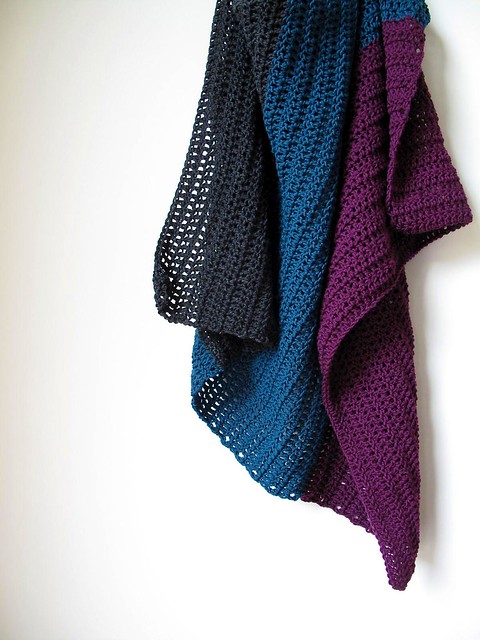
Or even a cute little dish cloth:
Whatever pattern you choose for your first project, just make sure it's simple enough that you won't want to give up, but is still something you're excited to make! (And if the thought of tackling your first-ever project frightens you, check out this crochet along post where I walked through the pattern, one step at a time, and crochet along with me as you read!)

Take care of those hands
Depending on how fiercely you jump into the world of crochet, you might end up dealing with a little soreness and stiffness in the ol' fingers. Luckily for me, my husband's a chiropractor (I would highly recommend marrying a chiropractor, if you haven't done so already), so here are his tips on keeping your hands feeling good and functioning well as a crocheter (doctor's orders!):
- Consider using an ergonomic handle when you crochet (such as this one, or this). The tighter you have to clasp your hand to hold a small hook, the more stress you're putting on your joints and muscles. (Confession time: I haven't bought myself ergonomics hooks or handles yet. My excuse is having a live-in chiro, but these are on my shopping list!)
- Put a time cap on your crochet sessions. Any repetitive activity can lead to joint degeneration, so don't crochet for more than about an hour or two at a time, and less if it's making you sore!
- If you have pain or soreness, use ice (not heat!). Soreness is usually caused by inflammation, which heat will worsen, so ice those hands if they're giving you trouble!
- Having your hands massaged after doing a lot of crocheting is so soothing and really helps decrease soreness and pain. If you can talk someone else into doing it for you, awesome! (And send them to my place when they're done!) And if not, it even helps to do this yourself.

Be patient and have fun!

You won't learn to crochet in a day, so take your time and have fun! There's very little I love more than sitting in a comfy chair with a crochet project in hand--I find it so relaxing and peaceful, and it's incredibly satisfying to make something beautiful out of a simple ball of yarn. I bet you'll love it, too . . . as long as you're patient and don't beat yourself up for not being an expert crocheter after 20 minutes of practicing. Enjoy the journey and be proud of your work . . . even if it's just a hot pad.

Anything else you wished you'd known when you learned to crochet?
 
 Taken From Here

Chiropractic 101 :: Frequently Asked Questions

I’ve mentioned before that my husband, Jeff, is a chiropractor. Although neither of us grew up visiting chiropractors—my first chiropractic visit of my life was to the student clinic when Jeff started school, and his first visit was actually while shadowing a chiropractor in a pre-med college course—we’ve really developed a love for chiropractic and what it can do. But as we’ve both studied it, incorporated it into our lives/healthcare, and experienced great results, we’ve noticed that most people aren’t very familiar with it and don’t know what it is, what it can do, how it works, or how it can help them.

Jeff (and even me, too) often gets asked the same questions by neighbors and friends and family members, so we thought we’d address some of them here so we could have a simple “beginners’ guide” to chiropractic to refer people to if they wanted to learn a little more about it. So if you’ve ever wondered what chiropractic is all about, read on, friend, read on. (Jeff and I are writing this post together, by the way, so you can trust that this information is coming from an actual licensed professional and not some crazy crochet lady who doesn’t know a lumbar vertebra from a cupcake. If you have any questions after reading this post, feel free to email me and I’ll pass it on to Jeff to answer!) I know you come here for craft posts, but this info is good for everyone to hear—especially crafters like you who spend all day hunched in front of a sewing machine or crochet hooks or an embroidery hoop or a keyboard, blogging, or chasing your kids around, and so on and on and on . . .

What is chiropractic?

Every system in the body—muscles, organs, bones, skin, everything—is controlled by the nervous system, which transmits signals through the spinal column. If a segment of the spine is out of alignment, it can inhibit the nerve’s ability to transmit messages, which can cause pain or dysfunction. Chiropractic realigns bones to make sure nerves—and, thereby, all your body systems—function optimally.
 

What sort of problems does a chiropractor treat?

The majority of problems addressed in a chiropractic office are low back pain, neck pain, and headaches, but it can be extremely helpful in treating any issues arising from nervous system dysfunction caused by skeletal misalignment (which could range from whiplash injuries to the rapid body changes caused by pregnancy). Chiropractic returns the body to an optimal state in which it can function at its best and heal itself, so it should be viewed not just as pain relief but as a natural approach to overall wellness. Your body is smart—it knows how to heal itself and how to compensate for pain so you can keep going. Chiropractic puts and keeps your body in its optimal state so it can work the way it’s designed to. 
(Personal anecdote time! This is Rachel speaking, by the way. I don’t have any huge, life-altering chiropractic miracle stories, but chiropractic has really helped me in many smaller ways. Story 1: When I was in massage school, I started having a lot of sharp pain in my shoulder/pec area one day. I figured I had pulled a muscle, and worried that it would take weeks of ice and rest to recover, which would really put me behind in school since a big part of our grade was giving massages, something I couldn’t comfortably do with a painful shoulder. I made a visit to our chiropractor, expecting her to confirm that I had pulled a muscle, and was surprised to hear that the muscles were fine . . . but my clavicle was just barely misaligned, which was putting pressure on the nerves in that area and causing pain when I gave massages. She adjusted my clavicle (she said it had probably become misaligned due to a weird sleep position, or even carrying around a heavy purse or backpack) and instructed me to ice it throughout the day. Within a few hours, the pain was completely gone, and by the next day the swelling and leftover achiness were gone, too. I felt 100% better and was giving massages again a day or two later.)

Does it hurt?

Typically, a chiropractic adjustment is a high-velocity, low-force maneuver that realigns an out-of-place structure. Generally, it won’t be painful—there might be some discomfort or soreness after the adjustment, depending on the severity of the problem.
(Rachel again here, with story 2: One adjustment that tends to freak people out is this one, but let me tell you why it is my absolute favorite. I tend to get headaches—not the awful, debilitating headaches that some people struggle with, but just the annoying, run-of-the-mill, pop-an-Advil variety. They’re a nuisance, and I didn’t like taking pain medication every day. Early on in Jeff’s schooling, he encouraged me to visit the student clinic and mention my headaches. I didn’t realize this was something chiropractic could help with—I still thought chiropractic was more for big issues, like terrible back pain or car accident recovery—but I mentioned my almost-daily headaches to my student doc anyway. One neck adjustment later, I was headache-free. Since the problem arises from me having poor posture and bad habits like sitting in front of a computer or crocheting with my head bent over for hours, the headaches do return over time. But a quick visit to my favorite chiropractor [how lucky for me, we share an address!] and a neck adjustment, and the headaches are gone. Even if you don’t have a big problem that needs fixing and you’re just experiencing the annoyance of something like headaches, chiropractic can be a huge help!)

Are chiropractors “real” doctors?

Chiropractors, in general, will receive a 4-year bachelors degree before beginning a doctorate program in chiropractic. The education of a chiropractor is comparable to that of a medical doctor in the subjects of diagnosis, radiology, pathology, and other life sciences. The education differs in that a chiropractic student focuses on more natural treatment of disorders while a medical student’s education would focus more on pharmacology (medication/drugs). Chiropractic students must perform hundreds of adjustments in student clinics before graduating, and most students also do an internship with an experienced doctor before receiving their license.

My brother/neighbor/cousin/pet iguana saw a chiropractor and he did _______________ (insert unusual-sounding treatment here). That just sounds crazy, right?

Just like in any healthcare field, there are plenty of different opinions on how to best treat problems. In chiropractic, there are numerous techniques utilized to treat misalignment, and most doctors find one technique they love to use on the majority of their patients. The important thing is to make sure you see a doctor whose technique you agree with and gives you the best results. Some people respond better to certain treatments; if you aren’t getting the results you want, it doesn’t mean that chiropractic isn’t working for you. It more likely means that the technique/treatment you’re receiving is not the best one to meet your needs, and you should talk to your doctor about changing your treatment plan, or find a new doctor who practices a different technique.  

Does insurance cover chiropractic care? How expensive is it?

Most insurance plans at least partially cover chiropractic. If you pay cash, you can tentatively plan on the price of a visit with a chiropractor to be comparable to, or less than, a visit to a medical doctor (although, obviously, prices will vary from office to office).

Is chiropractic “anti-medicine”? Will a chiropractor discourage me from visiting a medical doctor?

Any responsible chiropractor will not claim to be “anti-medicine,”  just like any good medical doctor will not claim to be “anti-chiropractic.”  Medicine has its place, just like chiropractic has its place. A true healthcare provider will look for the best treatment for their patients’ conditions, even if that means referring them to a different healthcare provider. A chiropractor’s first approach will always be a natural one. Chiropractic focuses on making sure the body is functioning optimally and letting your body’s innate intelligence take care of the rest. Sometimes your body experiences situations that are just too much for it to handle, even when everything is functioning properly. Even the most well-adjusted body can still be susceptible to illness and disease. When that happens it is important to seek outside treatment that can correct the issue, such as medical or surgical procedures. Chiropractic is not anti-medicine; it is just pro-body. We always want to use the least invasive approach to healthcare; if that fails, a responsible chiropractor will refer to the appropriate sources.
 

Can/should the elderly and children get chiropractic adjustments?

Chiropractic focuses on treating the nervous system, especially after a trauma has created some sort of dysfunction. Having a child of just one and a half, we know that trauma and children are like peas in a pod. From birth onward, children are living in a difficult world—from the tight squeeze on their birth day to spills on the playground, kids are constantly bombarded with physical stresses. All of this trauma can cause dysfunction in the nervous system, which if not addressed, can become chronic problems into adulthood.  Many question if chiropractic is safe for children and the elderly. There are many different techniques used in chiropractic. A “hands-on” adjustment is completely safe on people of any age if done by a trained professional, but many chiropractors choose techniques that apply even less force while still achieving the same results.  So as to whether the young and old possibly need chiropractic, the answer is yes. As to whether chiropractic is safe for the elderly and children, the answer is also a definite yes.

(Rachel here with one last story for you: From my first adjustment, I’ve always liked visiting the chiropractor . . . I always leave feeling better than when I walked in, and it helps to clear up any pain or issues I was having before they develop into bigger problems.  But I gained a whole new appreciation for chiropractic when I was pregnant. A pregnant mama’s body is growing and changing so quickly that her muscles and ligaments and bones are forced to undergo some awkward changes to make room for the growing baby, so most pregnant women complain of low back pain, hip pain, even sharp sciatic pain that shoots down the butt and legs. I was lucky to have had a normal, complication-free pregnancy . . . but I did experience the good old-fashioned discomfort of carrying around a gigantic, heavy belly. I tell you, I could have married the chiropractor I saw while I was pregnant [never mind that she was a lady . . . that’s legal in Iowa, and I loved her that much]. I’d hobble into her office with achy hips, a sore back, tight and painful shoulders, and I’d leave feeling like a million bucks. With a body that’s morphing and growing and changing at lightning speed,  I think chiropractic care is an absolute must for pregnant women. It will save you so much discomfort and pain by helping your body adapt to and deal with the stress and pressure of the growth and extra weight, and make sure your body is in alignment for an easier delivery and recovery, too. And although I was lucky enough to not have to take advantage of this, there are even chiropractic techniques that are clinically shown to help turn a breech baby—read more about the Webster technique here.)

How do I find a good chiropractor?

Just like finding a good family care doctor, your best bet is probably asking around and getting a recommendation from someone you trust. Ask a potential chiropractor about the techniques they use to see if they make sense to you and match up with your ideas of healthcare. There are hundreds of different techniques and just as many opinions about their efficacy in addressing various problems, so try to find a chiropractor whose thoughts on healthcare and treatment match up with yours.

. . . can Jeff be my chiropractor? . . .

Taken From Here